It hasn’t been long since Alpha TV premiered Oi Kores tis Aretis (The Daughters of Areti), yet the series has already become one of the most talked-about shows in Greece. At a time when audiences seem less likely to become genuinely invested in television dramas, this production has managed to do exactly that.
And honestly? I’m not sure many of us saw it coming.
Based on the Turkish hit Mrs. Fazilet and Her Daughters, Oi Kores tis Aretis has arrived at exactly the right moment, reminding viewers what it feels like to be completely hooked on a TV series.
A Familiar Story That Somehow Feels Fresh
At the center of the story is Areti, a widowed woman who grew up in poverty and is determined to secure a better future for her daughters than the one she had herself.
Her younger daughter, Anna, is sensitive, beautiful, and dreamy, while her eldest, Natalia, is fiercely independent, stubborn, and unwilling to follow a path decided by others.
Everything changes when the family crosses paths with the powerful and wealthy Kehagias family. Behind their image of success lies a household filled with secrets, unfulfilled desires, and fractures that threaten to tear them apart.
On paper, the plot follows a formula Greek audiences know well. It’s dramatic, emotional, and undeniably influenced by the classic Turkish storytelling style. Yet somehow, it works. Maybe because the series never tries to reinvent the wheel. Instead, it focuses on delivering the kind of compelling, character-driven drama that audiences have been missing.
So Why Has Everyone Become Obsessed?
The reasons are probably endless, but two stand out above the rest.
Marianna Toumasatou Is Simply Outstanding
First and foremost, there’s Marianna Toumasatou’s performance as Areti.
It’s one of those performances that constantly leaves viewers conflicted. One moment she’s frustrating, the next she’s making you laugh, and before you know it, she’s breaking your heart. By the end of each episode, regardless of how you feel about the character, you’re left admiring the actress behind her.
Toumasatou doesn’t just play Areti. She completely embodies her.
The role could have easily become exaggerated or one-dimensional, but instead, she makes Areti feel real. Her talent is impossible to ignore, and arguably louder than Areti herself.
The Alexis-Natalia-Konstantinos Triangle Is TV Gold
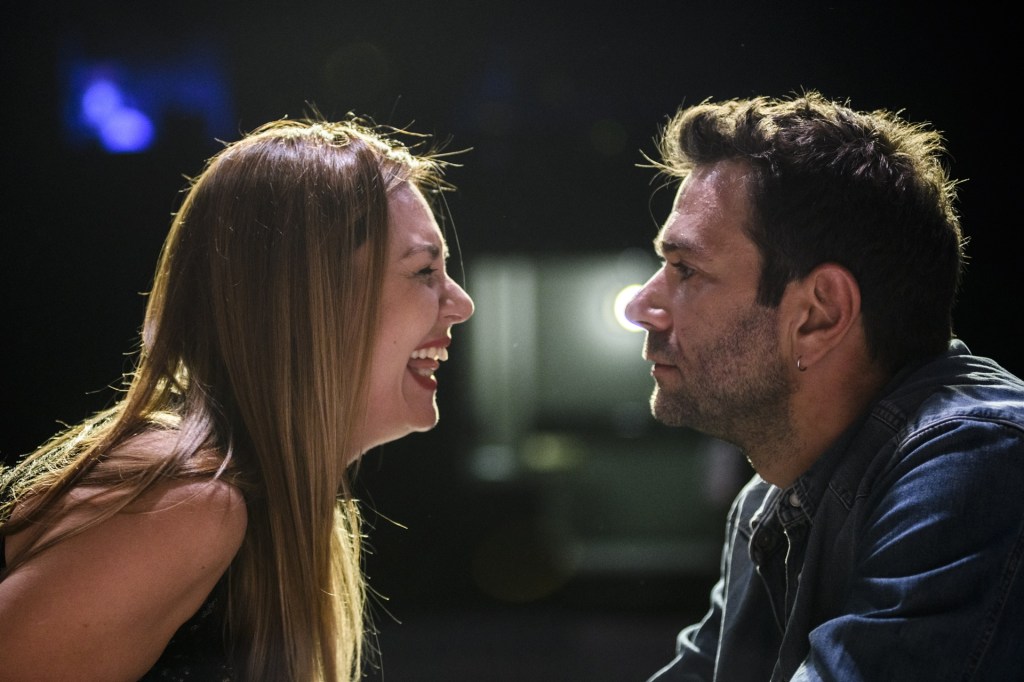
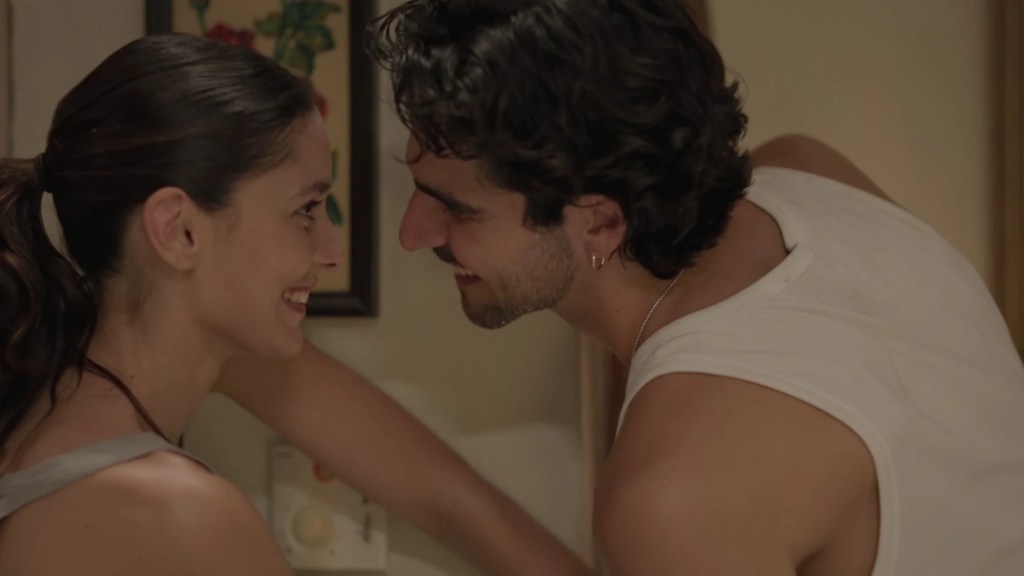
Then there’s the show’s secret weapon: Alexis, Natalia, and Konstantinos.
Yes, it’s a love triangle. Yes, we’ve seen countless versions before.
But there’s something refreshingly different about this one.
At least for now, there’s nothing overly dramatic or impossibly forbidden about the relationships. Instead, what keeps viewers invested is the genuine emotional connection between the characters and the uncertainty surrounding Natalia’s future.
Naturally, audiences are already taking sides.
Stavros Tsoumanis’ Konstantinos has quickly become a fan favorite. Without diving into potential spoilers from the Turkish version, the character offers far more than the typical “good guy” archetype. For many viewers, what’s especially exciting is seeing Tsoumanis in a role that feels very different from what audiences have become accustomed to. It’s a performance that showcases a different side of his talent.
On the other hand, Iasonas Chronis’ Alexis brings a charm and warmth that makes him equally impossible to ignore. While Alexis fits the mold of the charismatic leading man, this version already feels distinct from his Turkish counterpart. His determination in pursuing Natalia never loses its sweetness, making him incredibly easy to root for. At least for now…
It’s also another role that allows Chronis to move beyond what audiences saw from him in his television debut (Tampou), proving his range as a young artist.
A Cast That Elevates Everything
Of course, the success of Oi Kores tis Aretis cannot be attributed solely to its central trio.
The chemistry between sisters Natalia and Anna, played by Asimenia Voulioti and Georgia Mesariti respectively, gives the series much of its emotional heart.
Then there’s Marianna Pourega, whose manipulative and unpredictable character consistently steals scenes and keeps viewers on edge.
The neighborhood women, portrayed by Giouli Tsagkaraki and Dora Chrysikou, add various moments, and authenticity, while Mania Papadimitriou’s unique Kaitoula often delivers lines that feel surprisingly profound and memorable.
Every character contributes something valuable, which is increasingly rare in ensemble television.
In many ways, Oi Kores tis Aretis feels like a perfect example of what happens when the right cast finds the right script at exactly the right time.
Is This The Best TV Show We Have Ever Seen?
This is not the question that we need to answer right now, because it does not matter in that way.
The real question is this: when was the last time we saw a Greek TV series generate this level of conversation on TikTok?
When was the last time a cast gained followers at such a rapid pace because viewers couldn’t get enough of the story unfolding on screen?
What’s happening with Oi Kores tis Aretis feels genuinely unusual for Greek television. The discussion has moved beyond the familiar territory of X (formerly Twitter) and expanded across social media platforms, where clips, edits, theories, and fan debates appear daily.
The show is no longer just a series.
It’s becoming a habit.
A shared experience.
The kind audiences used to gather around years ago, before endless streaming options fragmented viewing habits.
One Important Reminder
Yes, Oi Kores tis Aretis has become many viewers’ latest obsession.
But its popularity also offers an important reminder.
Actors are not their characters. They are artists doing their jobs and doing them exceptionally well.
There’s nothing wrong with identifying with characters, supporting your favorites, or admiring a performance. In fact, that’s part of what makes television special.
But admiration should always come with boundaries.
And if recent conversations surrounding the cast have proven anything, it’s that audiences often seem more willing to respect those boundaries than some corners of the media.
Perhaps that’s the most surprising development of all.
Cast: Marianna Toumasatou, Giannos Perlegkas, Dimitris Xanthopoulos, Giouli Tsagkaraki, Stavros Tsoumanis, Asimenia Voulioti, Dimitris Apostolopoulos, Giorgos Ziakas, Georgia Mesariti, Iasonas Chronis, Dora Chrysikou, Virginia Tambaropoulou, Fotis Petridis, Efthymia Kalogianni, Marianna Pourega, Danae Kaloutsa, Athina Roditou, Foivos Papakostas, Melina Vampoula, Chrysa Klouva, and Ilektra Gennata.
Featuring Mania Papadimitriou as Kaitoula, Alexia Kaltsiki as Efi, and Rania Schiza as Afroditi.
Written by: Katerina Giannakou
Directed by: Michalis Konstantatos
Produced by: Pedio Productions
The opening credits feature the song “Sta Dio” (“In Two”), composed by Nikos Terzis, with lyrics by Giannis Kotsiras and performed by Katerina Lazaridou.