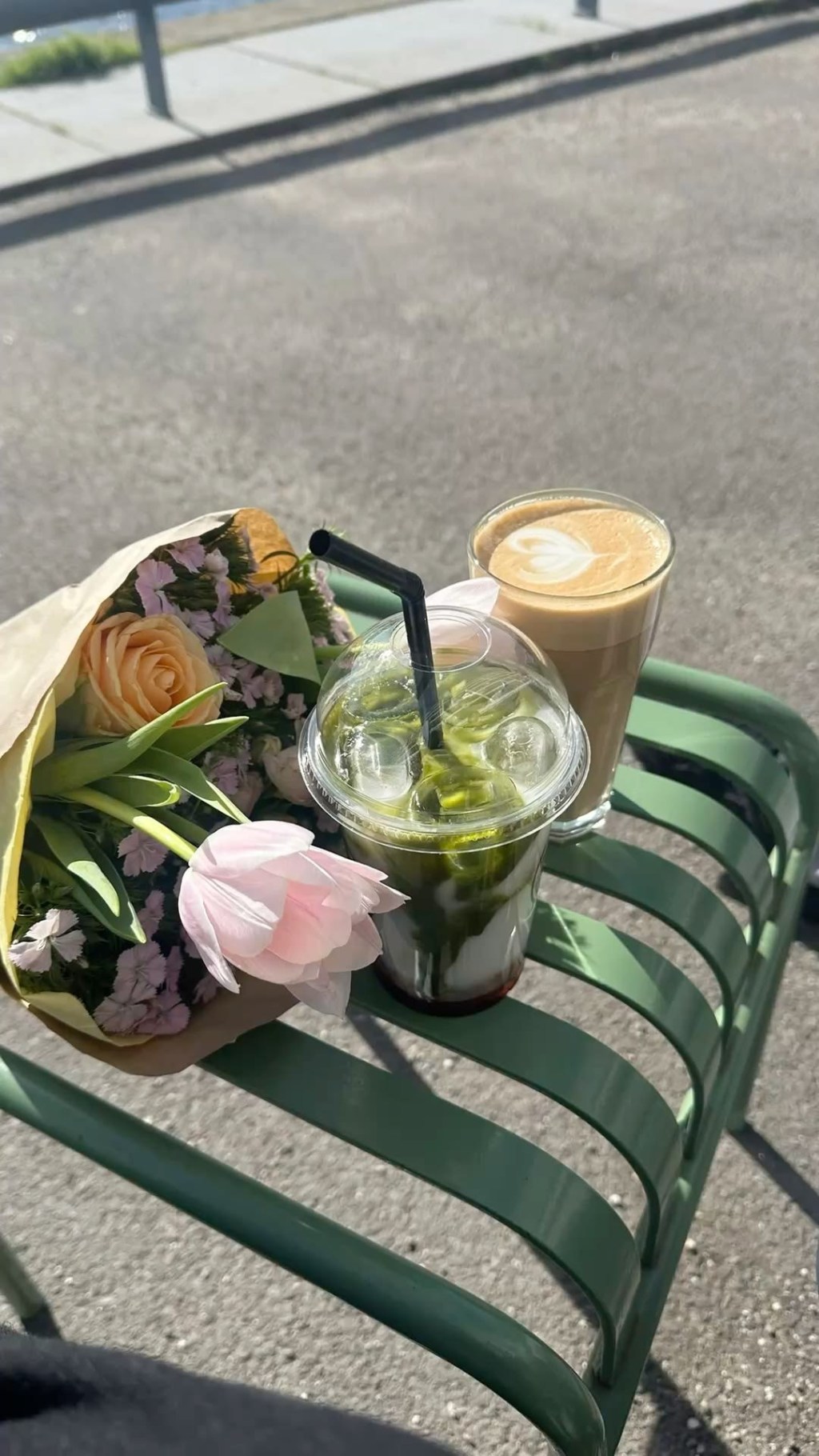
There’s a difference between just meeting up and actually feeling like you did something with your time—even when the plans themselves are simple. Most days don’t call for big events or elaborate itineraries, but that doesn’t mean they have to blur together either.
The shift is subtle: instead of defaulting to “let’s just grab coffee,” you give the day a loose shape. A few intentional stops. A bit of movement. Nothing rigid—just enough structure to make the time feel considered rather than improvised.
Here are a few easy ways to build that feeling into an ordinary hangout.
A slower, more intentional kind of outing
Start with something familiar, like coffee—but choose it differently. Go somewhere you don’t usually pick, or take a slightly longer route to get there. It sets the tone without requiring effort.
From there, think in terms of gentle progression rather than a single destination. A stop to browse a bookstore or small shop. A walk somewhere nearby instead of staying seated. Maybe something small and sensory, like picking up flowers or trying a pastry you wouldn’t normally order.
None of it needs to be “an activity” in the traditional sense. The point is that the day has rhythm. It moves.
Making space for creativity, even casually
Hangouts often default to talking—and while that’s the foundation, adding something tactile changes the energy in a quiet way.
Bring a sketchbook to a café. Take photos on your phone with a loose theme, like reflections or colors. Write a few lines about the day somewhere between stops. Even something as simple as choosing a place where you sit outside instead of inside can shift how the time feels.
It doesn’t need to become a project. It’s just about giving your attention somewhere to land besides conversation.
Letting the evening unfold instead of starting and ending in one place
Evenings tend to feel most memorable when they’re not treated as a single event. Instead of “going out for dinner,” think of it as moving through a sequence that naturally evolves.
Begin with golden hour outside—walking, sitting somewhere with a view, or just being in motion. Then transition into dinner somewhere relaxed. After that, keep things open-ended: dessert, a drink, or simply another change of setting before heading home.
What makes it work is the lack of pressure. Nothing is the “main event,” so everything feels lighter and more present.
Why it works
The secret isn’t doing more—it’s removing the feeling of aimlessness without locking anything down too tightly.
When a hangout has just enough shape, you stop making constant decisions in the moment. You’re not asking “what now?” every hour. Instead, you’re just moving through the day as it naturally unfolds.
And that’s what makes it feel different. Not bigger. Not busier. Just more intentional—without ever trying too hard.
 SINON
SINON 