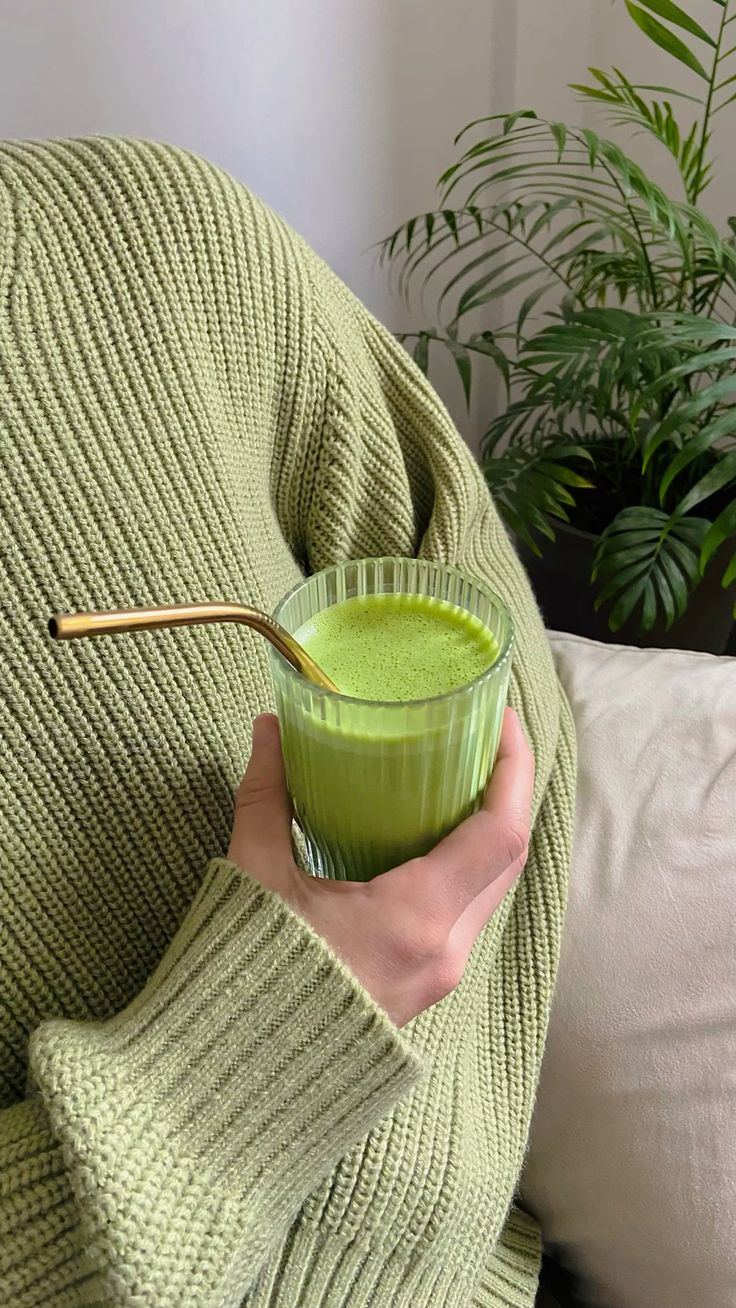
The wellness world loves a spectacle — neon powders, moon‑charged tinctures, and smoothies that cost more than lunch. But beneath the theatrics, a quieter shift is happening: people are beginning to treat their bodies like ecosystems, not mood boards. And that shift has given rise to a new kind of “functional smoothie,” one built on biology rather than buzzwords.
This isn’t about chasing the healthiest anything. It’s about designing a blend that supports the gaps most modern bodies carry: unstable blood sugar, low‑grade inflammation, nutrient depletion, and the kind of fatigue that no espresso shot can fix.
What the modern body is missing
Across wellness platforms and at‑home testing services, the same patterns keep appearing:
- Many people struggle with insulin regulation, even if they don’t realize it.
- Cardiometabolic markers trend higher than expected, especially in younger adults.
- Nutrient deficiencies — magnesium, omega‑3s, B vitamins — are far more common than the average diet suggests.
- Fiber intake is consistently low, despite its impact on gut health and metabolism.
A functional smoothie steps in as a daily ritual that quietly supports these weak spots. Not a miracle. Not a cleanse. Just a recalibration.
The anatomy of a functional blend
A smoothie built for actual metabolic support has three anchors:
- Protein to stabilize energy and reduce sugar spikes.
- Healthy fats to support hormones, cognition, and satiety.
- Phytonutrients — the pigments and compounds in plants that help the body repair, regulate, and adapt.
From there, the palette opens: wild berries for antioxidants, greens for minerals, nuts and seeds for fiber, herbs for inflammation, and prebiotic ingredients that feed the microbiome.
The goal isn’t perfection. It’s balance.
A SINON-style recipe you can build on
This version keeps the structure strong and the flavor clean — a blend that feels like morning discipline, not dessert.
Base
- 1 cup unsweetened almond milk
- A handful of greens (spinach, arugula, basil, or a mix)
- ½ cup frozen wild blueberries
Structure
- 1 serving high-quality protein (plant or whey)
- A small handful of walnuts
- 1 tablespoon flax or chia
Optional layers
- A splash of MCT oil for sustained energy
- Ceylon cinnamon for blood sugar support
- Green banana or cooked oats for prebiotic fiber
Blend until thick and cold — the kind of texture that feels intentional.
What to leave out
A functional smoothie isn’t a fruit salad in disguise. To keep it metabolically friendly, skip:
- Sweeteners (even the “natural” ones)
- Fruit juices
- High-sugar fruits in large amounts
- Decorative add‑ins that look pretty but do nothing for your biology
The point is nourishment, not novelty.
Personalizing the ritual
The most interesting part of this smoothie isn’t the recipe — it’s the customization. Once you understand your own patterns, the blend becomes a tool.
- Low energy? Add fats and greens.
- Digestive issues? Increase fiber and fermented ingredients.
- High stress? Think magnesium-rich seeds and herbs.
- Skin concerns? Prioritize antioxidants and omega‑3s.
The smoothie becomes a mirror: a way to respond to your body instead of guessing.
 SINON
SINON 