Halloween has always been a mirror. What we choose to wear—whether it’s a blood-splattered vampire cape, a latex catsuit, or a hyper-specific meme—says more about our cultural mood than we think. And as Gen Z reshapes the holiday with irony, nostalgia, and unapologetic self-expression, the Halloween aesthetic is evolving faster than ever.
Let’s break down the eras, the archetypes, and the emotional undercurrents behind the costumes we keep coming back to—and the ones we’re leaving behind.
🧛♀️ The Scary Era: Fear as Fantasy
In the early days, Halloween was all about horror. Think classic monsters, ghost stories, and the thrill of being scared. Costumes leaned into the grotesque—zombies, witches, skeletons—designed to unsettle and entertain. This was fear as fantasy, a safe way to flirt with the macabre.
But as horror became mainstream (thanks to franchises like Scream, The Conjuring, and American Horror Story), scary costumes started to feel less shocking and more nostalgic. Today’s horror-inspired looks are often stylized, cinematic, and paired with glam makeup tutorials. Fear, but make it fashion.
💋 The Seductive Era: Empowerment or Expectation?
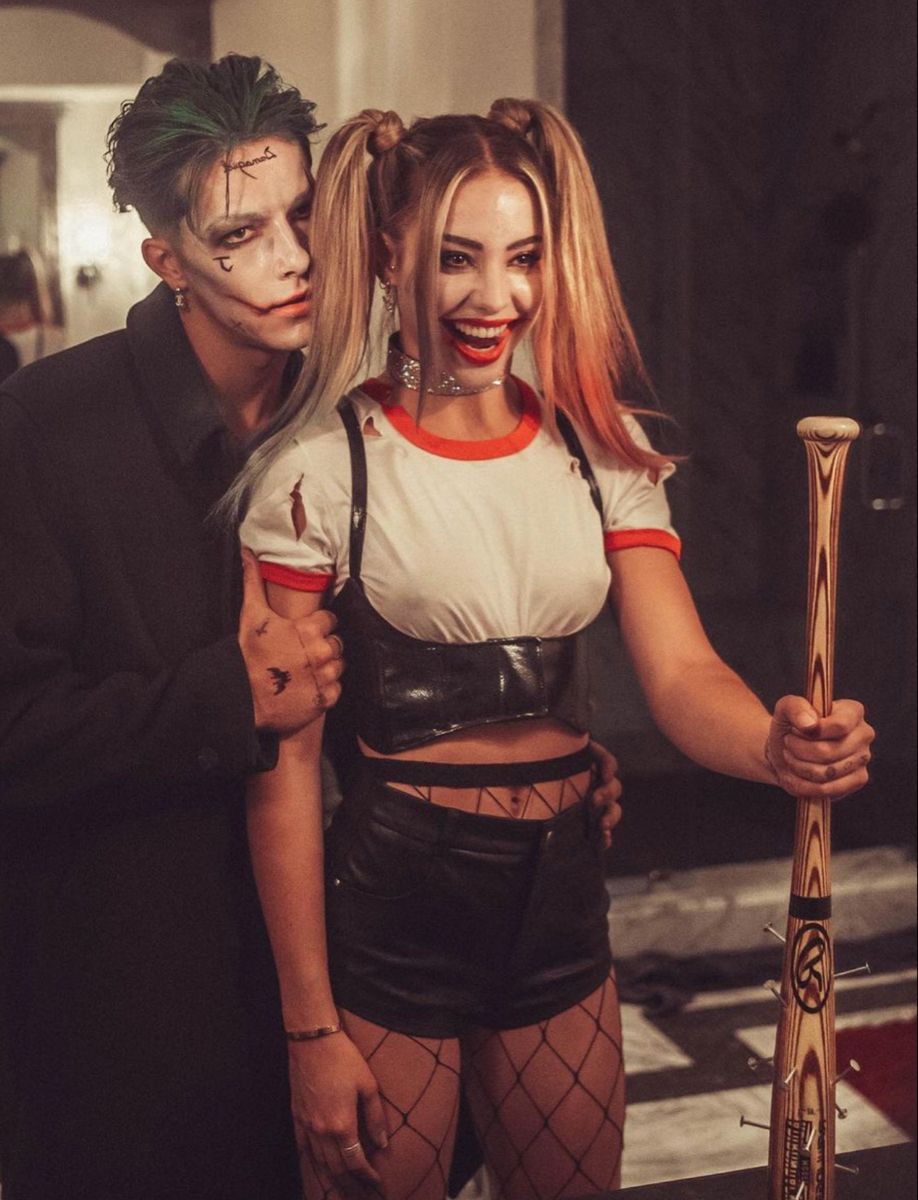
The rise of the “sexy costume” in the 2000s—Mean Girls era, anyone?—was both a cultural moment and a marketing strategy. Suddenly, every costume had a sultry version: sexy nurse, sexy devil, sexy corn. It was campy, it was performative, and it sparked endless debates about empowerment vs. objectification.
For many, dressing sexy on Halloween became a form of agency—a night to reclaim the body, play with desire, and step into a fantasy. For others, it felt like pressure to conform to a narrow aesthetic. Gen Z’s take? More fluid, more playful, and less binary. Sexy now includes gender-bending, villain-core, and ironic hotness (see: sexy Shrek).
😂 The Satirical Era: Meme Culture Meets Costume Design
Enter the age of irony. As internet culture exploded, so did the rise of satirical costumes—think “Hot Girl Climate Change,” “Cursed Minion,” or “Barbenheimer.” These looks are less about beauty or fear and more about commentary. They’re designed to be screenshotted, shared, and dissected.
This shift reflects a deeper truth: Halloween is no longer just about transformation—it’s about participation. A satirical costume says, “I get the joke. I’m part of the discourse.” It’s clever, chaotic, and deeply online.
🕯️ Where We Are Now: Hybrid Aesthetic, Emotional Intent
Today’s Halloween aesthetic is a mashup: scary-glam, sexy-satirical, nostalgic-modern. It’s less about fitting into a category and more about expressing a mood. Some dress to heal their inner child (hello, fairy wings and glitter), others to channel their villain era (Maleficent-core is thriving), and many just want to make their friends laugh.
Costumes are curated like moodboards, shared like memes, and worn like armor. Whether you’re going full horror, full camp, or full chaos, the aesthetic is intentional—and often emotional.
👻 So What Does Your Costume Say About You?
- Scary: You crave catharsis. You’re channeling fear into fantasy.
- Sexy: You’re reclaiming power, playing with desire, or just vibing with your hotness.
- Satirical: You’re in on the joke. You’re here to comment, not conform.
- Hybrid: You’re a moodboard in motion. You contain multitudes.
Halloween isn’t just a holiday—it’s a cultural litmus test. And this year, the aesthetic is less about categories and more about connection. So whether you’re dressing as a haunted Victorian doll or a cursed TikTok trend, wear it with intention. The costume is the message.
 SINON
SINON 