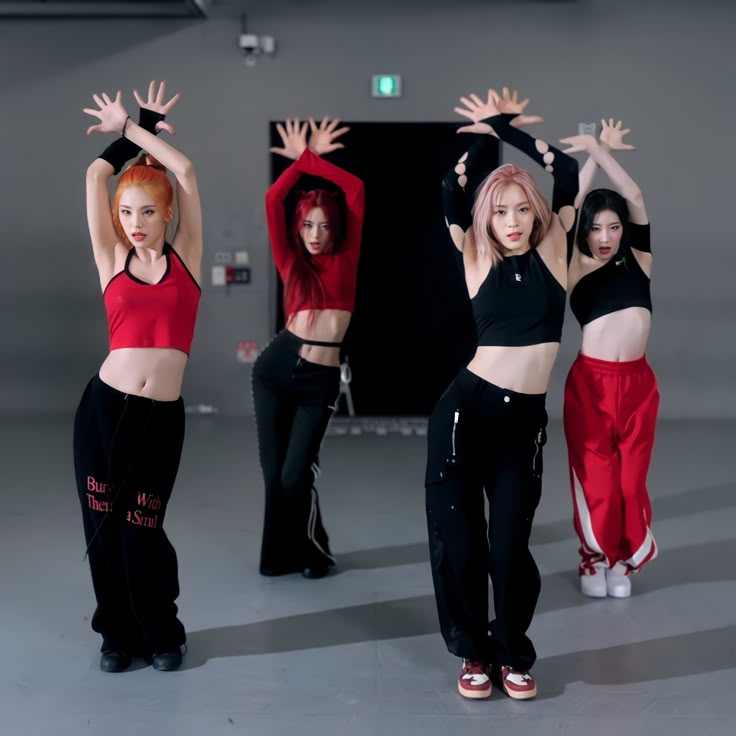
K-pop choreography isn’t just about sharp moves and synchronized formations—it’s emotional language. Every step, gesture, and pause tells a story: of heartbreak, resilience, longing, or joy.
From the trembling hand in Taemin’s “MOVE” to the explosive unity in Seventeen’s “Don’t Wanna Cry,” idols use their bodies to say what lyrics alone can’t.
💔 Heartbreak in the Details
Sadness in K-pop choreo is rarely dramatic—it’s subtle. A slow turn, a dropped gaze, a staggered walk. These micro-movements mirror real emotional breakdowns: quiet, internal, hard to name.
Think BTS’s “Spring Day,” where choreography mimics distance and disconnection. Or EXO’s “Sing For You,” where stillness becomes the loudest cry.
🧘♀️ Healing Through Repetition
There’s something therapeutic about watching idols rehearse the same moves—again and again—until they become muscle memory. It mirrors how we heal: slowly, imperfectly, through repetition.
In songs like Taeyeon’s “INVU” or TXT’s “Blue Hour,” fluid movements suggest emotional release. The dance becomes a ritual of letting go.
🔥 Hype as Collective Catharsis
When the beat drops and the choreo hits hard, it’s not just hype—it’s release. Songs like BLACKPINK’s “Kill This Love” or Stray Kids’ “God’s Menu” channel rage, confidence, and chaos into kinetic joy.
Fans don’t just watch—they mirror. Dance challenges, fancams, and flash mobs become communal expressions of emotion. It’s fandom as therapy.
💡 Sidebar: “How to Feel the Dance Without Knowing the Steps”
- Watch with the sound off—notice the emotion in movement
- Focus on facial expressions and transitions
- Try mirroring a move that resonates emotionally
- Reflect: what does this choreography remind you of in your own life?
🧠 The Takeaway: Movement Is Memory
K-pop dances aren’t just performances. They’re emotional archives—of heartbreak survived, joy reclaimed, hype embodied.
To watch an idol dance is to witness a story told in muscle and breath. And sometimes, it’s the story we needed to hear.
 SINON
SINON 