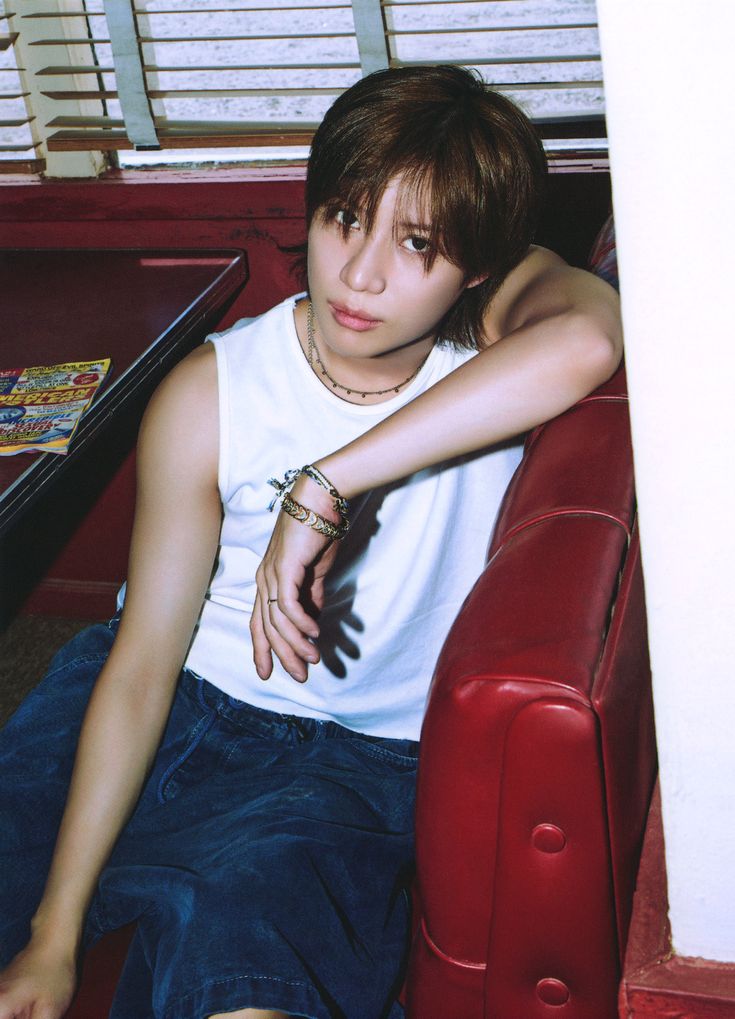
They’re not perfect. They’re not always smiling. And they don’t pretend to be untouchable.
From brooding soloists to emotionally raw group leaders, Gen Z’s favorite idols are no longer the squeaky-clean paragons of perfection—they’re anti-heroes. And we’re obsessed.
🧠 What Is an Anti-Hero Idol?
Unlike traditional idols who radiate positivity and polish, anti-hero idols lean into vulnerability, contradiction, and emotional depth. They’re the ones who post cryptic lyrics, wear their heartbreak on stage, and challenge the glossy façade of fame.
Think:
- RM (BTS): The philosophical leader who pens lyrics about self-doubt, identity, and existential longing. His introspection feels like a mirror to Gen Z’s inner monologue.
- Taemin (SHINee): The dark prince of K-pop, whose artistry blends elegance with emotional intensity. His performances are less choreography, more catharsis.
- Hanni (NewJeans): The quiet rebel—soft-spoken, expressive, and subtly defiant. Her presence challenges the idea that idols must be loud to be powerful.
These artists don’t just perform—they unravel.
💬 Why It Resonates with Gen Z
Gen Z grew up in a world of curated feeds and filtered realities. But beneath the aesthetic lies a hunger for authenticity—for complexity, contradiction, and emotional truth.
Anti-hero idols reflect that. They’re not afraid to be messy, melancholic, or misunderstood. They speak to the parts of us that feel too much, question everything, and crave connection beyond the surface.
It’s not just about music—it’s about emotional mirroring.
🎭 The Aesthetic of the Anti-Hero
- Fashion: Dark palettes, layered textures, and statement pieces that feel more character than costume
- Performance: Introspective choreography, raw vocals, and storytelling that feels cinematic
- Social Presence: Cryptic captions, vulnerable interviews, and moments of silence that speak volumes
They’re not trying to be liked. They’re trying to be real.
🔥 Fandom as Emotional Catharsis
Fans don’t just admire anti-hero idols—they relate to them. Stan culture becomes a space for emotional processing, identity exploration, and collective healing.
Whether it’s dissecting lyrics, sharing fan edits, or writing essays on idol psychology, Gen Z turns fandom into a form of self-expression.
🖋️ Final Thought
In a world that often demands perfection, anti-hero idols offer something radical: permission to be flawed, emotional, and unapologetically human.
From RM’s existential poetry to Taemin’s haunted elegance and Hanni’s quiet defiance, these idols aren’t just performers—they’re mirrors. And for Gen Z, that’s not just refreshing—it’s revolutionary.
 SINON
SINON 